
REVIEW · BULGARIAN WINE TASTINGS
Wine Tasting in Heart of Sofia
Wine can tell Bulgaria’s story. This one-hour tasting makes that story easy to sip, pairing five native grapes with local cheese and bread in a central Sofia wine shop. I like the focus on grapes you are unlikely to find elsewhere, especially Mavrud, Melnik, and Rubin, and I like that host Kalin connects the wines to Bulgaria’s changing past and present. The main consideration is that some pours may come from the shop’s own production, so this is not strictly a survey of five unrelated Bulgarian wineries.
The setting is Tempus Vini Wine Point on Knyaz Boris I Street in Sofia’s old city center. You pay about $36.47 per person for roughly an hour, with English guidance, mineral water, and local cheeses included. For a short introduction to Bulgarian wine without leaving central Sofia, that is a fair price, though serious wine students may wish the tasting lasted longer.
In This Review
- Key points to know before booking
- Why Bulgarian wine is worth your attention
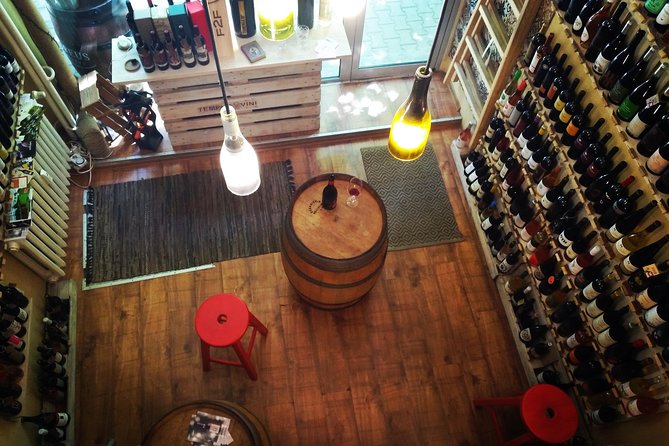
- Starting at Tempus Vini on Knyaz Boris I Street
- The five-grape tasting, from Miskets to Rubin
- Bulgarian history in the glass
- Cheese, bread, and the practical pleasure of pairing
- Small groups, private attention, and larger bookings
- What the host adds to the hour
- The main limitation: producer variety and bottle condition
- Price, timing, and who gets the best value
- Who should book this Sofia wine tasting
- Should you book Tempus Vini?
- FAQ
- Where does the wine tasting take place?
- How long does the experience last?
- How much does the tasting cost?
- Which grape varieties will I taste?
- Is the tasting offered in English?
- What food is included?
- Is transportation included?
- Is this a private activity?
- Can larger groups attend?
- What is the cancellation policy?
Key points to know before booking
- Five native grape varieties: Taste Miskets, Melnik, Mavrud, Gumza, and Rubin, grapes closely tied to Bulgaria.
- A history lesson with every pour: The host explains how ancient wine production, changing rulers, and modern boutique producers shaped the country’s wine culture.
- Local pairings included: Three Bulgarian cheeses, craft breads, and mineral water make this more than a line of small samples.
- A central, shop-based setting: You meet at Tempus Vini in Sofia’s old center and finish at the same place.
- Small-group feel: The activity is private for your party, though larger bookings may use a nearby multimedia tasting hall.
- Plan for about an hour: It fits neatly into a Sofia afternoon or evening, but it is not a full winery visit.
Why Bulgarian wine is worth your attention
Bulgaria has been making wine for about 5,000 years, yet its bottles remain unfamiliar to many people outside the country. That gap is part of the pleasure here. You are not simply tasting another standard Cabernet or Chardonnay. You are meeting grape names that are tied to Bulgarian soil, regional habits, and local wine traditions.
The tasting centers on five varieties: Miskets, Melnik, Mavrud, Gumza, and Rubin. The exact character of each glass will depend on the producer and vintage, and the experience does not provide a fixed tasting sheet with detailed technical notes. Still, the selection gives you a useful route through the country’s native grapes.
That matters because grape names are often the most useful thing to carry home from a tasting. If you like a Mavrud, Melnik, or Rubin, you can look for that name on a restaurant list or bottle shop shelf later. You leave with a better sense of what to ask for instead of simply remembering that you enjoyed a Bulgarian red.
The tasting also introduces Bulgaria’s wine regions. You will hear how different parts of the country support different styles, and how a new generation of small producers is bringing fresh energy to the trade. Some of the wines may be made by Kalin himself, adding a personal link between the explanation and what is in your glass.
More Food and Drink Tours in Sofia
- Sofia Food & Tasting Tour with Communist-Era Tram Ride
★ 5.0 · 35 reviews - Wine and Tapas Boutique Bulgarian Wine Tasting
★ 5.0 · 25 reviews - Market Food Tour
★ 4.5 · 21 reviews
Starting at Tempus Vini on Knyaz Boris I Street
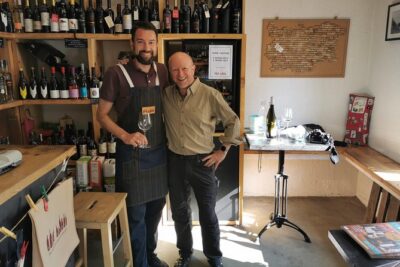
You meet at Tempus Vini Wine Point, at 81 Knyaz Boris I Street, Sofia 1000. The shop is in the old city center and is close to public transportation, so you do not need a private transfer or a separate day trip to reach it.
The location shapes the whole experience. This is a shop-based tasting, not a visit to a vineyard, cellar, or countryside estate. You will not see vines, barrels, or production equipment. Instead, you get a compact introduction in a place where Bulgarian bottles are already gathered around you.
That arrangement works well if your time in Sofia is limited. You can fit the tasting between sightseeing stops, and the end point is the same as the meeting point. It also makes it easy to buy a bottle afterward if one of the wines catches your attention.
The shop has been described as cozy and full of character, which suits the format. The atmosphere is more personal than a large commercial tasting room. In a small group, you can ask direct questions and keep the conversation moving at your own pace.
The five-grape tasting, from Miskets to Rubin
The central activity is a tasting of five wines made from Bulgarian grape varieties. The wines are served in one glass, with the selection arranged to build intensity and aroma as you proceed. That is a practical method for a short tasting, although it means you will want to pay attention to the order and rinse your palate with the provided water when needed.
You may taste white, red, and orange styles during the session. Orange wine has been a new discovery for some people attending the tasting, and it can make the hour feel broader than a simple white-to-red comparison. The supplied information promises five varieties, while some past sessions included six wines, so the exact number may vary. Book this for the Bulgarian grapes and guidance, not for a guaranteed bottle count.
Here is what each named variety adds to the experience:
- Miskets: This gives you a chance to try one of Bulgaria’s less familiar white-grape names.
- Melnik: A grape associated with southwestern Bulgaria and the Melnik area, it helps connect the glass with a specific part of the country.
- Mavrud: One of the best-known native Bulgarian red grapes, and an important name to remember if you continue exploring Bulgarian wine.
- Gumza: Another local variety that broadens the tasting beyond the most familiar Bulgarian labels.
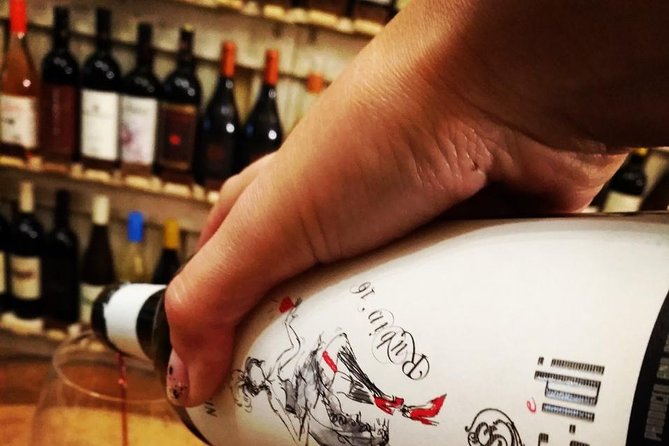
- Rubin: A Bulgarian variety that completes the set with a grape you are unlikely to encounter in an ordinary international tasting.
The point is not to memorize tasting jargon. It is to notice differences in aroma, body, texture, and finish, then ask why those differences exist. The host guides you through the process, explains wine classification and production, and answers questions in English.
Kalin receives especially strong praise for making the subject approachable. He is both a wine shop owner and a producer, and several pours may come from his own work. That gives the session a useful personal angle, though it also explains the main limitation: the tasting may not represent five entirely separate producers.
Bulgarian history in the glass
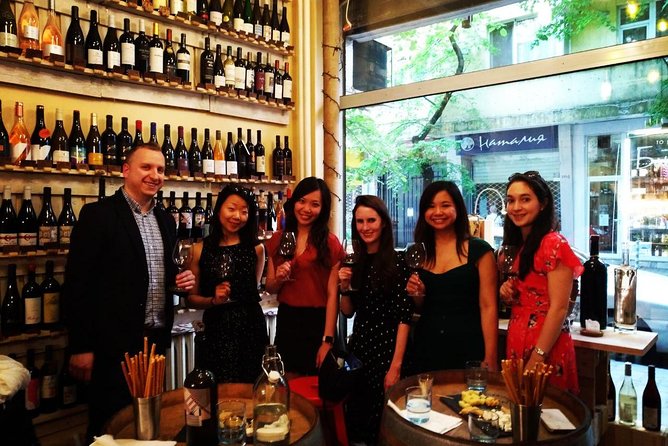
Wine has followed Bulgaria through ancient times and many political changes. The host uses that past to explain how production has shifted over the centuries, rather than treating wine as an isolated food topic.
This historical thread is one of the best reasons to book the session. Sofia sightseeing can give you churches, ruins, and monumental buildings, but a wine tasting shows how the country’s identity also appears through agriculture and local products. You get a small lesson in Bulgaria while holding a glass.
The story then moves to the present. Boutique winemakers are paying more attention to native grapes and trying to bring Bulgarian wine to a wider audience. That current focus keeps the tasting from feeling like a museum display. You are sampling a tradition that is still being reshaped.
I would encourage you to ask about the producer behind each bottle, the region it comes from, and whether the wine uses traditional or newer methods. The session has included natural and orange wines, so questions about production methods can add useful depth if those styles appear in your lineup.
More wine tastings in Sofia:
- Valley of the Thracian Kings, Hidden Treasures
★ 5.0 · 28 reviews - Special Selection Bulgarian Wine Tasting
★ 5.0 · 20 reviews - Sofia Wine Walk
★ 5.0 · 18 reviews - Plovdiv and Thracia Valley with Wine Tasting
★ 4.5 · 15 reviews
Cheese, bread, and the practical pleasure of pairing
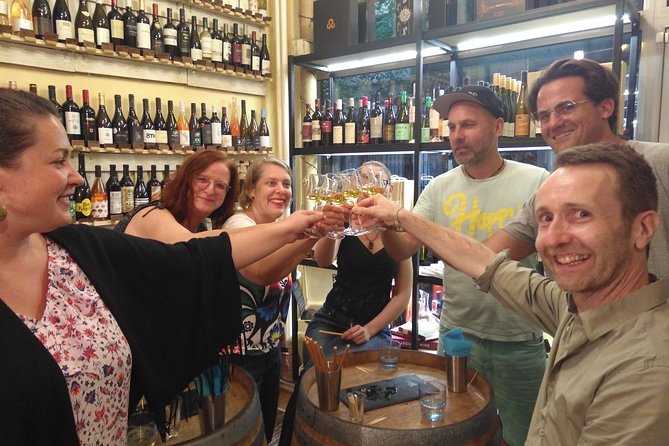
The tasting includes three local Bulgarian cheeses, craft breads, and mineral water. Cheese is not just decoration here. It gives you a way to compare how a wine changes when you eat, and it keeps the alcohol from arriving on an empty stomach.
Kashkaval has been singled out as a favorite pairing, and it is a good example of why local food makes this experience more useful. You are not tasting Bulgarian wine in a vacuum. You are seeing how the wines work with flavors you may encounter elsewhere in the country.
The official menu lists local Bulgarian cheeses, with three different cheeses for the standard experience. For larger groups or special occasions, the food may be expanded through special catering. That means you should expect a light tasting plate, not a full meal.
The snacks also help justify the price. At $36.47, you are paying for the host’s time, five wine samples, a private setting, and local food. It is not the cheapest way to drink wine in Sofia, but it offers more context than ordering a single glass at a bar. If you are mainly looking for a large amount of wine, this is not the right purchase. If you want an introduction with food and explanation, the value is better.
Small groups, private attention, and larger bookings
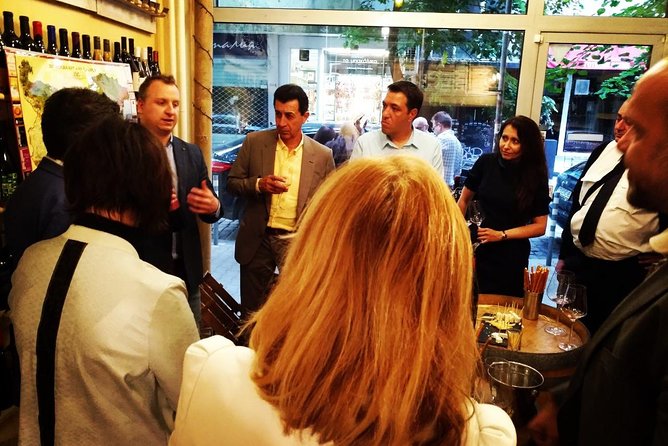
This is a private activity, so only your group participates. That is a major advantage if you want to ask questions without speaking over a crowd or waiting for a guide to reach your table.
Small groups also make the tasting more conversational. You can discuss a wine as soon as it is poured, ask about bottles available in the shop, and request suggestions for a restaurant or another Bulgarian label. The atmosphere is not presented as formal or heavily scripted.
Larger parties may be moved to a special multimedia hall very close to the shop. That room is designed for bigger tastings and presentations. You will still be near the meeting point, but the feeling may be less intimate than sitting in the shop with a handful of people.
The private format is best for couples, friends, and small family groups with a shared interest in food and drink. It also suits solo visitors who prefer an organized introduction rather than trying to decode an unfamiliar wine list alone.
What the host adds to the hour
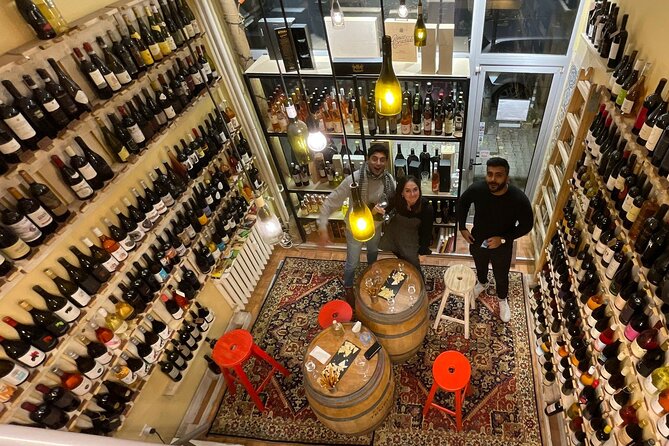
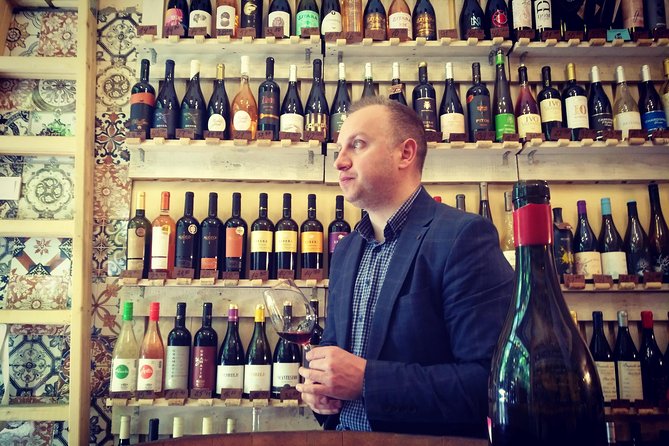
The host is central to the experience. Kalin is repeatedly praised for his command of Bulgarian wine, clear English, and friendly manner. He explains both the grapes and the wider story of wine production in Bulgaria, and he takes time to respond to questions.
That personal approach is important because native grape names can seem like a wall of unfamiliar vocabulary. A good explanation turns them into useful reference points. Instead of leaving with five names you cannot place, you can begin to associate each one with a style, region, or memory from the tasting.
The guide may not always be Kalin. One session was led by Julia, who was also praised for her clear and respectful presentation. The listing identifies the provider as Tempus Vini Wine Point, so the exact host can depend on the date.
The strongest part of the format is the link between shop, producer, and teacher. If Kalin is leading, you may taste wines he made himself. That can be fascinating because you can ask about the decisions behind the bottle. It also means you should keep an open mind about the selection: this is partly an educational tasting and partly a personal presentation of Bulgarian wine.
The main limitation: producer variety and bottle condition
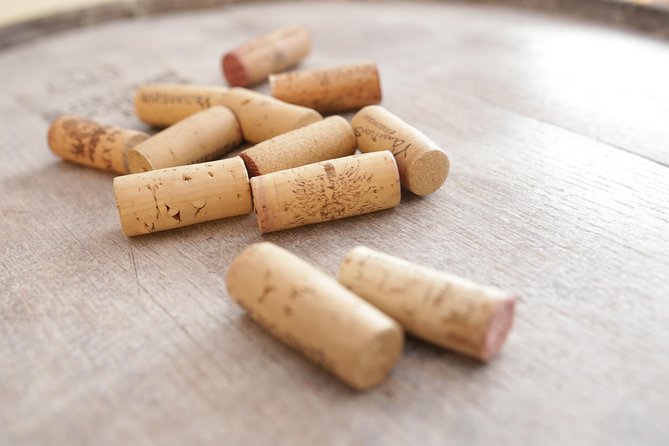
The most useful criticism is about range. The tasting focuses on native grapes, but not every wine necessarily comes from a different winery. In some sessions, three or four wines came from the host’s own production or were made for the shop.
That is not a problem if your goal is to understand grape varieties and hear a passionate explanation. It matters more if you want a broad comparison of Bulgarian winemakers, prices, or production methods. If winery variety is important to you, ask at the start how many producers are represented.
One past session also included a bottle that had been open too long and did not show well. That appears to be an isolated service issue, but it is a fair reminder that wine tasting depends on bottle condition. If a pour seems flat or unusual, say so politely and ask whether the bottle has been open for some time. A good tasting should welcome that question.
The session is also short. One hour is enough for an introduction, five pours, food, and a history of Bulgarian wine. It is not enough for a detailed regional seminar or a long discussion of each grape. You should see it as a smart first taste, not a complete wine education.
Price, timing, and who gets the best value
The price is about $36.47 per person. With five wines, local cheeses, bread, mineral water, an English-speaking host, and a private setting, the cost is reasonable for central Sofia.
I see the best value for someone who has little knowledge of Bulgarian wine and wants a clear starting point. You can taste unusual varieties, learn what to look for on a label, and possibly buy bottles to enjoy later. Several people have taken home two or three bottles after finding styles they liked.
The experience is usually booked about 12 days in advance, so it is wise to reserve before your Sofia visit if your schedule is fixed. Confirmation is provided when you book. Free cancellation is available up to 24 hours before the start time, while later cancellations and changes are not accepted.
The activity requires good weather and a minimum number of participants. If poor weather or insufficient participation causes cancellation, you are offered another date or experience, or a full refund. The exact reason a shop-based tasting has a weather requirement is not explained, so check the terms for your date rather than assuming every session operates regardless of conditions.
Who should book this Sofia wine tasting
I would choose this experience if you:
- Want to taste Bulgarian grapes rarely found outside the country.
- Enjoy history and food as much as the wine itself.
- Prefer a private or small-group setting.
- Have only an hour available in central Sofia.
- Like speaking directly with a producer or shop owner.
- Want advice on which bottles to buy afterward.
I would look elsewhere if you want a countryside vineyard visit, a full meal, or a large comparison of independent wineries. There is no private transportation, and the experience remains in Sofia. You also should not expect a long cellar tour or a technical course in winemaking.
For many people, though, those limits are exactly why it works. You get a concentrated taste of Bulgaria without giving up half a day to transfers.
Should you book Tempus Vini?
Yes, if you want an easy and personal introduction to Bulgarian wine. The strongest reasons are the five local grape varieties, the food pairings, and Kalin’s ability to connect each pour with Bulgaria’s past and present.
Go in expecting a one-hour shop tasting, not a winery excursion. Ask how many producers are represented, take notes on the grape names you enjoy, and leave room in your luggage for a bottle or two. At about $36.47, this is a sensible Sofia activity for anyone who wants to understand the country through its wine.
FAQ
Where does the wine tasting take place?
It starts and ends at Tempus Vini Wine Point, 81 Knyaz Boris I Street, Sofia 1000, Bulgaria, in Sofia’s old city center.
How long does the experience last?
The tasting lasts approximately one hour.
How much does the tasting cost?
The listed price is about $36.47 per person.
Which grape varieties will I taste?
The planned selection includes Miskets, Melnik, Mavrud, Gumza, and Rubin.
Is the tasting offered in English?
Yes. The experience is offered in English.
What food is included?
The tasting includes three local Bulgarian cheeses, craft breads, and mineral water. Larger groups or special occasions may receive special catering.
Is transportation included?
No. Private transportation is not included. You make your own way to the meeting point.
Is this a private activity?
Yes. Only your group participates in the private activity.
Can larger groups attend?
Yes. For larger groups, the tasting may take place in a specially equipped multimedia hall very close to the shop.
What is the cancellation policy?
You can cancel at least 24 hours before the start time for a full refund. Cancellations or changes made less than 24 hours in advance are not accepted. If the activity is canceled because of poor weather or an insufficient minimum number of participants, you are offered another date or experience, or a full refund.
Just added in Sofia
- Private Winter Day Trip to the Rila Mountain★ 4.5 · 3 reviews
- Wind Mills Hydropark Tours & Activities★ 5.0 · 1 review
- Weekend in Bulgaria★ 5.0 · 1 review
- Sofia Hidden Gems: Small-Group Walking Tour with Tram Ride★ 5.0 · 7 reviews
- Vratsa Karst and Caves★ 5.0 · 1 review
- Via Ferrata Adventure on Kuklata peak 2257 m in Rila Mountain★ 5.0 · 8 reviews
- Vitosha Trail Hunter Bike Tour from Sofia★ 5.0 · 9 reviews
- Vitosha Mountain- Heritage and Hiking- Private Day Trip★ 5.0 · 2 reviews
Bulgarian Wine Tastings, compared.
Special History And Wine Tour including Wine Tasting
Read our review →

Private Wine Tasting in the UNESCO town of Nessebar
Read our review →

Kazanlak-Rose Valley-Valley of the Thracian Kings – private tour from Plovdiv
Read our review →
Browse the lists this tour appears in