
REVIEW · ROSE VALLEY TOURS
Kazanlak-Rose Valley-Valley of the Thracian Kings – private tour from Plovdiv
Rose country meets royal tombs. This private day trip from Plovdiv pairs Kazanlak’s rose-growing traditions with the ancient burial sites of the Thracian kings. I like the easy hotel pickup and the chance to see several important places in one well-planned outing. I also like that your guide handles the history, which makes the tombs and museum displays far easier to understand.
The main trade-off is time. Seven and a half hours covers a lot of ground, but each stop is fairly short, and entrance fees are extra. The original Kazanlak tomb is also closed to protect its frescoes, so you visit a faithful replica instead.
In This Review
- Key points to know before you book
- Why this private trip works from Plovdiv
- The Rose Museum and Bulgaria’s famous flower
- Iskra Historical Museum: the regional story
- The Kazanlak Tomb and its fourth-century frescoes
- Goliama Kosmatka and the tomb of Seuthes III
- Shipka Memorial Church and Bulgaria’s modern past
- What the guide adds to the day
- Price, inclusions, and the real value
- Who should book this experience
- Should you book the Kazanlak tour from Plovdiv?
- FAQ
- Where does the tour begin?
- How long does the tour last?
- Is the tour private?
- When is the rose bloom?
- Can I enter the original Thracian Tomb of Kazanlak?
- Are entrance fees and lunch included?
Key points to know before you book
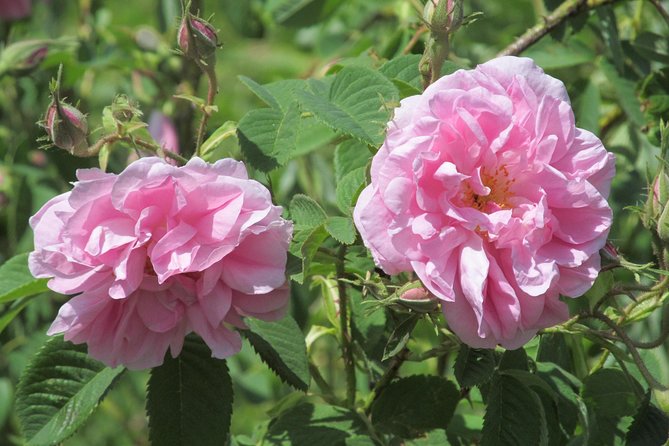
- The rose season usually runs from May 1 to June 15, with lavender in June and sunflowers from mid-June through late July.
- The original Kazanlak tomb is closed, but the nearby replica lets you see the famous fourth-century BC frescoes.
- The tour is private, so only your own group takes part and the guide can offer some flexibility.
- Five stops fit into about seven and a half hours, including the Rose Museum, two Thracian sites, the Iskra Historical Museum, and Shipka Memorial Church.
- The price is about $144.18 per person, with pickup, drop-off, fuel surcharge, taxes, and guiding included, but food and approximately €9 in entrance fees cost extra.
- Guide quality matters here, and named guides such as Kamen, Carmen, and Rusi have been praised for clear explanations, friendliness, and helpful local suggestions.
Why this private trip works from Plovdiv
Plovdiv gives you Roman ruins, Ottoman-era streets, and a lively city center, but the area around Kazanlak offers a very different side of Bulgaria. This trip takes you north toward the Rose Valley and the Balkan Range, where modern rose production sits beside tombs built for Thracian rulers more than two thousand years ago.
I like the mix. You are not spending the whole day in museums, and you are not spending it only at archaeological sites. The Rose Museum gives you a look at a living Bulgarian industry, while the Thracian monuments show how much older the region’s story is.
The private format is important. Your group gets hotel pickup anywhere within Plovdiv, with a scheduled 9:00 am start. You do not need to find a bus station or arrange separate transport to Kazanlak. At the end, you are returned to your accommodation in Plovdiv.
The tour lasts about 7 hours and 30 minutes. That makes it a full day out, but not an exhausting multi-day commitment. Since the route includes several stops, you should expect a steady pace rather than long stretches for wandering.
More wine tastings in Plovdiv:
- A Day trip to the Thracian Kings, The Valley of Roses & Buzludzha
★ 5.0 · 6 reviews - Half-Day of Horseback Adventure with Wine Tasting
★ 5.0 · 4 reviews - Chateau Copsa Wine Tasting Tours & Activities
★ 4.5 · 3 reviews
The Rose Museum and Bulgaria’s famous flower
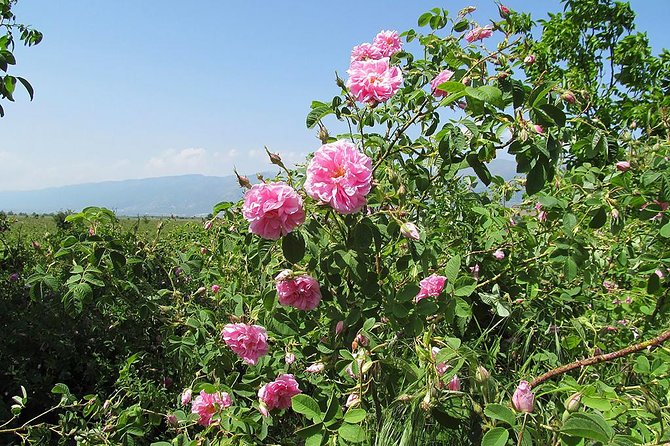
The first stop is the Museum of Roses, with about 30 minutes inside. The museum focuses on rose-picking and rose production in Bulgaria, showing objects and information connected with the country’s well-known rose industry.
This is more useful than a quick photo stop in a flower field. It gives you some context for why the Rose Valley matters and how rose cultivation became part of Bulgarian identity and commerce. You can expect exhibits connected with the work of collecting and processing roses rather than a large open-air garden experience.
Timing matters here. The rose bloom generally falls between May 1 and June 15, although the exact dates shift slightly each year. If your main goal is to see flowering roses, schedule the trip during that period and understand that the museum itself operates year round.
The tour information also notes seasonal lavender and sunflowers. Lavender usually blooms in June, while sunflowers begin in mid-June and continue into late July. Those crops can add color to the countryside, but the tour’s main focus remains roses and Thracian heritage.
Admission to the museum is not included in the tour price. Entrance fees for the tourist sites total about €9 per person, so keep that extra amount in your budget.
Iskra Historical Museum: the regional story
The Iskra Historical Museum receives about 45 minutes, making it the longest scheduled museum stop. Its purpose is to preserve, study, and explain the heritage of the Kazanlak area, including finds from the Thracian tombs and treasures connected with the ancient rulers.
This stop helps put the later sites in order. Without some background, a golden object or decorated tomb can seem impressive but disconnected. The museum gives you a clearer sense of the people, rulers, artifacts, and archaeological work behind the monuments.
I would pay close attention to the displays related to the Valley of the Thracian Kings. The title is not just a poetic label. The area contains numerous Thracian tombs, and the museum helps explain why Kazanlak is one of Bulgaria’s key archaeological regions.
Your guide’s role is especially useful here. The guides praised for this route, including Kamen and Carmen, are described as clear, patient, friendly, and good at explaining the sites. That matters in a museum where labels may not tell the whole story in a way that makes sense to you.
Still, 45 minutes is not enough for a slow museum visit. If you like reading every display, you may need to choose what interests you most. The private setup can help because you are not tied to the pace of a large group, but the overall schedule remains fairly tight.
The Kazanlak Tomb and its fourth-century frescoes
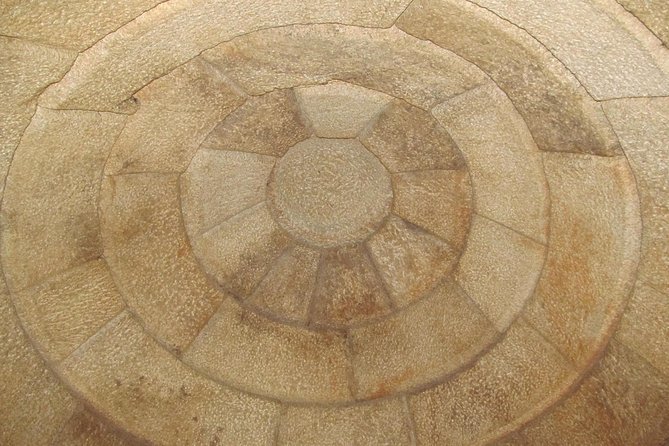
The Thracian Tomb of Kazanlak is the historical centerpiece of the day. It is Bulgaria’s first UNESCO World Cultural Heritage site, and its fourth-century BC frescoes are the reason for that distinction.
There is an important catch: the original tomb is closed to protect the delicate paintings. You visit a nearby replica instead. This is not a minor detail, especially if you expect to step into the original chamber. The replica lets you see the design and painted scenes without putting the ancient frescoes at risk.
The visit lasts about 30 minutes. That is enough to appreciate the layout and the art, especially with a guide explaining what you are looking at. The short visit also fits the purpose of the replica. You are there to understand one remarkable monument, not to spend half a day underground.
The tomb offers a different experience from the open museum. The museum gives you objects and background; here, the setting itself carries the message. The decorated interior shows the skill and ceremony associated with a Thracian burial.
You should approach this stop with realistic expectations. The original frescoes are the prize, but you will not see them in person. If preservation and archaeological context matter to you, the replica is a sensible compromise. If you only want original ruins, this limitation may disappoint.
More Rose Valley trips:
- Horse Riding in the Valley of Roses in Thracian Spirit
★ 5.0 · 1 review - Private Access Rose Festival Kazanlak 05-07.06.2025
★ 4.5 · 6 reviews - Symbol of the Communism Buzludzha monument and the Rose valley
★ 5.0 · 3 reviews - Picking Roses Workshop & Extracting Rose Oil in the Rose Valley
★ 5.0 · 3 reviews
Goliama Kosmatka and the tomb of Seuthes III
The next archaeological stop is the Tomb of Seuthes III, also called Goliama Kosmatka. You have about 25 minutes here, so it is a brief but significant visit.
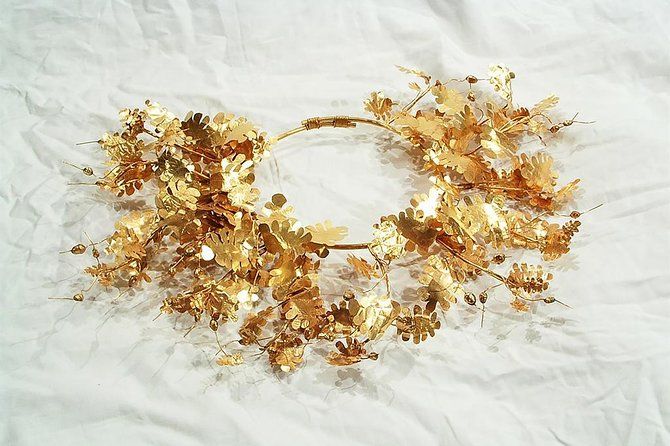
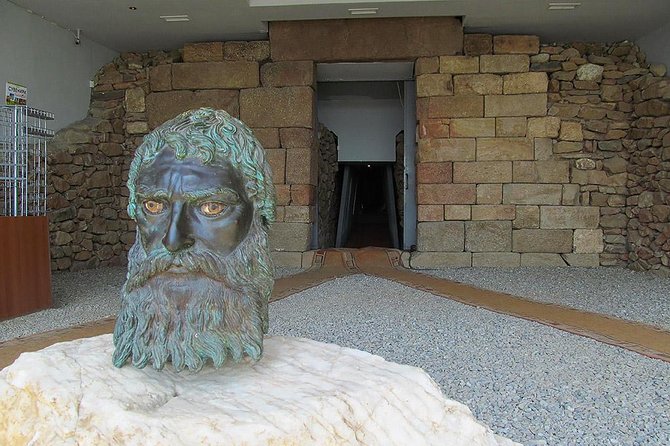
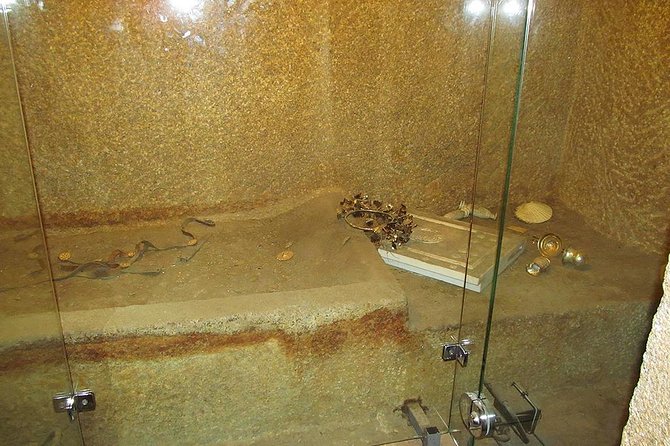
The structure began as a Thracian temple in the fifth century BC. After the death of the Thracian king Seuthes III, it was turned into his tomb. Archaeologists found around 20 gold objects inside, identified as items connected with the king.
That combination of temple and tomb makes the site especially interesting. It was not built only as a hidden burial chamber. Its earlier religious purpose and later use as a royal tomb show how the monument changed meaning over time.
The gold finds are part of what gives Goliama Kosmatka its power. You may see some related objects at the Iskra Historical Museum, where the archaeological story is easier to follow. The tomb itself lets you focus on the structure and the ritual purpose.
The 25-minute schedule is short, so this is another place where the guide’s explanation makes a real difference. A good guide can point out what to notice before you move on. The private nature of the trip also gives you a chance to ask questions without holding up a large group.
Shipka Memorial Church and Bulgaria’s modern past
Shipka Memorial Church changes the subject from ancient Thracian rulers to Bulgaria’s modern struggle for liberation. The Russian Orthodox church was built between 1885 and 1902 at the foot of the Balkan Range.
It honors Russian, Ukrainian, and Bulgarian soldiers who died during the Russo-Turkish War of 1877 to 1878, the conflict linked to Bulgaria’s liberation. The church’s purpose is therefore both religious and national.
You have about 30 minutes at the site. That should give you time to take in the exterior, see the Orthodox design, and listen to the guide explain the memorial’s meaning. It also adds variety after the museums and tombs.
This stop is useful because it prevents the tour from becoming a single-period history lesson. Bulgaria’s past is not only ancient. The church brings you into the nineteenth century and shows how national memory is expressed through architecture.
The location near the Balkan Range also gives the day a broader sense of place. You are not visiting isolated buildings in a city museum district. The route moves through a region tied to farming, ancient kingdoms, religious tradition, and national independence.
What the guide adds to the day
The guide is one of the strongest parts of this experience. The tour includes a driver-guide, live commentary during the ride, and local and professional guiding. That arrangement matters because the sites are spread out and the historical connections are not always obvious at first glance.
Kamen has been praised for being especially well informed and patient. Carmen has been described as friendly, clear, and helpful, including a recommendation for a Bulgarian restaurant at lunchtime. Rusi has been singled out for his warm personality, motivation, and flexibility.
These names do not guarantee which guide you will receive. They do show the sort of service the operator aims to provide. You should also give your pickup location when booking, or provide it closer to the tour date, so the morning collection runs smoothly.
The private format allows more direct conversation. You can ask why a tomb was built, how the rose industry developed, or what to see elsewhere in Bulgaria. That personal contact is more valuable here than on a simple sightseeing drive because the sites need explanation.
Price, inclusions, and the real value
The listed price is about $144.18 per person. For a private 7.5-hour excursion, that can be fair value if you are traveling with several people and want door-to-door transport from Plovdiv.
The price includes hotel pickup and drop-off within Plovdiv, fuel surcharge, local taxes, a driver-guide, live commentary, and professional local guiding. You do not need to arrange separate transport or hire a guide at each stop.
Food and drinks are not included, and lunch is also extra. Entrance fees add about €9 per person. Since the scheduled stops are spread across the day, plan to pay for your own meal and beverages separately.
The value is strongest for people who want several major sites in one day without renting a car. It is also useful if you prefer a private conversation with a guide instead of joining a large coach group.
Solo visitors should compare the per-person cost with other options, since private tours often become better value when two or more people share the vehicle. Families and small groups may find the price easier to justify, especially with hotel pickup included.
Who should book this experience
I would choose this tour if you want Bulgarian culture and archaeology in one day. It suits first-time visitors based in Plovdiv who do not want to plan a complicated route to Kazanlak.
It is also a good match for anyone interested in ancient burial customs, Thracian art, museum collections, or the role of roses in Bulgarian life. The itinerary gives you both broad context and specific monuments.
The tour may be less suitable if you want a slow morning in the countryside, a long rose-field walk, or extended time at each museum. The schedule is full, and the rose bloom is seasonal. Outside the main flowering period, you still get the Rose Museum, but you should not expect the same field conditions.
People with a strong interest in original archaeological interiors should also remember that the Kazanlak tomb itself is closed. The replica is the practical way to see the design while protecting the ancient frescoes.
Free cancellation is available up to 24 hours before the 9:00 am start time. Changes or cancellations inside that period are not accepted for a refund, so check your plans before the final day.
Should you book the Kazanlak tour from Plovdiv?
Book it if you want an efficient private day with strong historical content, hotel pickup, and a guide who can connect roses, Thracian rulers, and Bulgaria’s liberation story. The praised guiding from people such as Kamen, Carmen, and Rusi is a major reason to consider it.
I would book during the rose season if flowers are a priority, ideally from early May to mid-June. If archaeology matters more, the tour works year round. Just budget for the €9 entrance charge, lunch, and drinks, and remember that the famous Kazanlak frescoes are viewed in a replica.
For a small group seeking convenience and a well-rounded introduction to central Bulgaria, this is a strong choice. If you prefer a slow, highly specialized archaeological visit, the seven-and-a-half-hour schedule may feel too compressed.
FAQ
Where does the tour begin?
Pickup is offered from any hotel, accommodation, or other location within Plovdiv city. The start time is 9:00 am.
How long does the tour last?
The experience lasts approximately 7 hours and 30 minutes.
Is the tour private?
Yes. Only your own group takes part in the activity.
When is the rose bloom?
The rose bloom generally takes place between May 1 and June 15, although the exact period changes slightly each year. Lavender usually blooms in June, and sunflowers begin around mid-June and continue through late July.
Can I enter the original Thracian Tomb of Kazanlak?
No. The original tomb is closed to protect its frescoes. The tour visits a nearby replica.
Are entrance fees and lunch included?
No. Entrance fees are approximately €9 per person. Lunch, food, drinks, and other beverages are also paid separately.
Just added in Plovdiv
- Unlock Six Starosel Treasures: A Delicious Tasting Experience★ 5.0 · 1 review
- Veliko Tarnovo – Arbanassi – Shipka Memorial Church – private tour from Plovdiv★ 4.5 · 6 reviews
- Walking tour of Plovdiv’s top attractions★ 5.0 · 1 review
- Transfer from Plovdiv to Stara Zagora★ 5.0 · 1 review
- Transfer from Plovdiv to Pamporovo★ 5.0 · 1 review
- Transfer Plovdiv to Sofia airport/city with a car 3+1★ 5.0 · 3 reviews
- Private Buggy Experience All Seasons in Pamporovo★ 5.0 · 3 reviews
- Starosel Thracian Temple and Hisarya spa resort – private day tour from Plovdiv★ 5.0 · 1 review
Rose Valley Tours, compared.
A Day trip to the Thracian Kings, The Valley of Roses & Buzludzha
Read our review →
Private Access Rose Festival Kazanlak 05-07.06.2025
Read our review →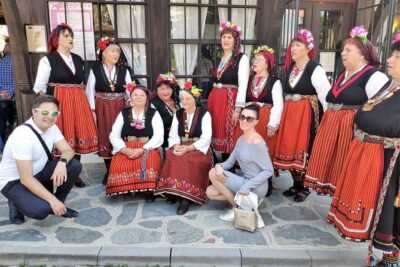
Picking Roses Workshop & Extracting Rose Oil in the Rose Valley
Read our review →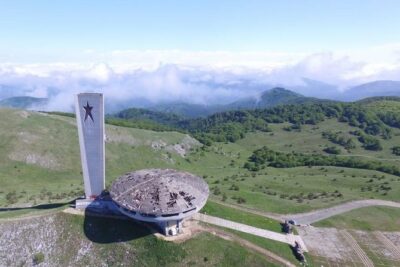
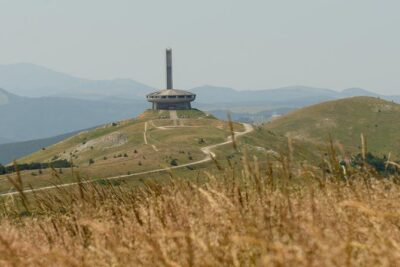
Symbol of the Communism Buzludzha monument and the Rose valley
Read our review →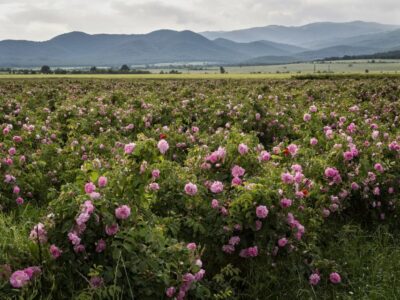
Buzludzha Monument and the Rose Valley Guided Day Tour
Read our review →
Day Tour in Communist Monument Buzludzha and the Rose Valley
Read our review →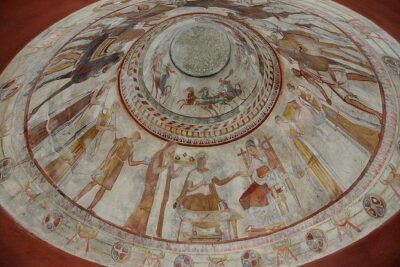
Browse the lists this tour appears in