
REVIEW · ROSE VALLEY TOURS
Sofia, Plovdiv, and The Rose Valley in 2 Days
Three Bulgarian worlds fit into one short trip. This two-day journey links Sofia’s grand churches and monuments with Plovdiv’s Roman ruins, then heads into the Rose Valley for Thracian art, mountain views, and a family-run rose-oil distillery. I like the way the route joins major sights with local culture, and I especially like the small group size, limited to eight people. The main drawback is the pace: Sofia, Plovdiv, Kazanlak, Shipka, and the Rose Valley make for full days.
The tour costs $412 per person and includes transport, a guide, one night in Plovdiv with breakfast, entrance fees, and pickup and drop-off in Sofia. That is a fair package for a two-day private-style route, though food and drinks are generally extra. Comfortable shoes are essential, since Plovdiv’s Old Town has narrow cobblestone streets and the itinerary includes several walking stops.
In This Review
- Key points to know before booking
- Why this two-day route works
- Sofia begins at Boyana Church
- Plovdiv brings ancient Rome into the afternoon
- The road to Kazanlak and the Rose Valley
- Thracian art inside the Tomb of Kazanlak
- Shipka Memorial Church adds modern Bulgarian memory
- Lunch and rose oil at Damascena
- What the $412 price includes
- The guide and the small-group format
- Who should choose this Bulgaria tour?
- Should you book Sofia, Plovdiv, and the Rose Valley?
- FAQ
- How long is the tour?
- Where does the tour begin?
- Where does the tour end?
- Is accommodation included?
- Is transportation included?
- Is a guide included?
- How large is the group?
- Which sites are visited in Sofia?
- Which places are visited in the Rose Valley area?
- Is food included?
- What should you bring?
Key points to know before booking
- Sofia begins with Boyana Church: You visit this UNESCO site before touring the city center.
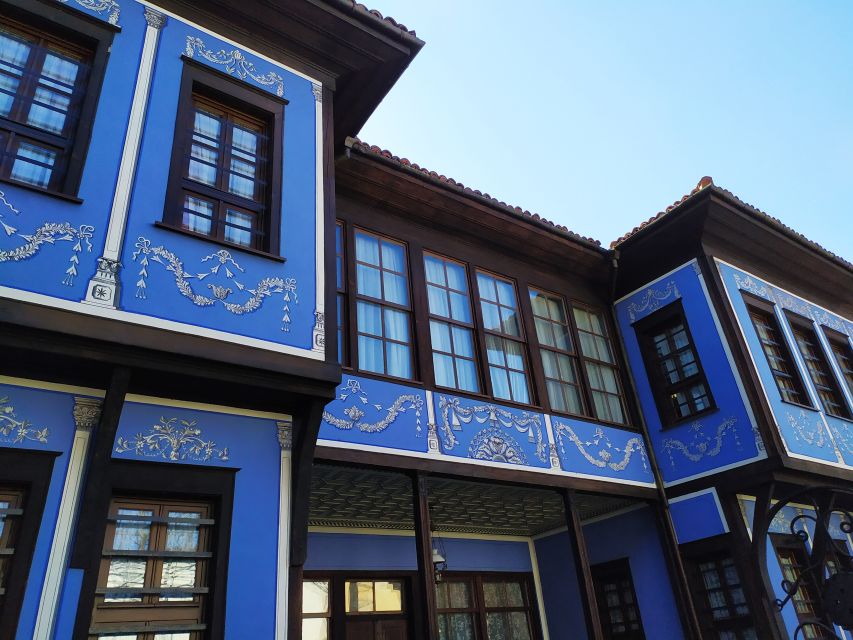
- Plovdiv adds Roman ruins and Revival-era houses: The Roman Theatre, Roman Stadium, and Old Town are the heart of the first afternoon.
- The Rose Valley takes about 90 minutes to reach: The drive gives you scenic views before the cultural stops around Kazanlak.
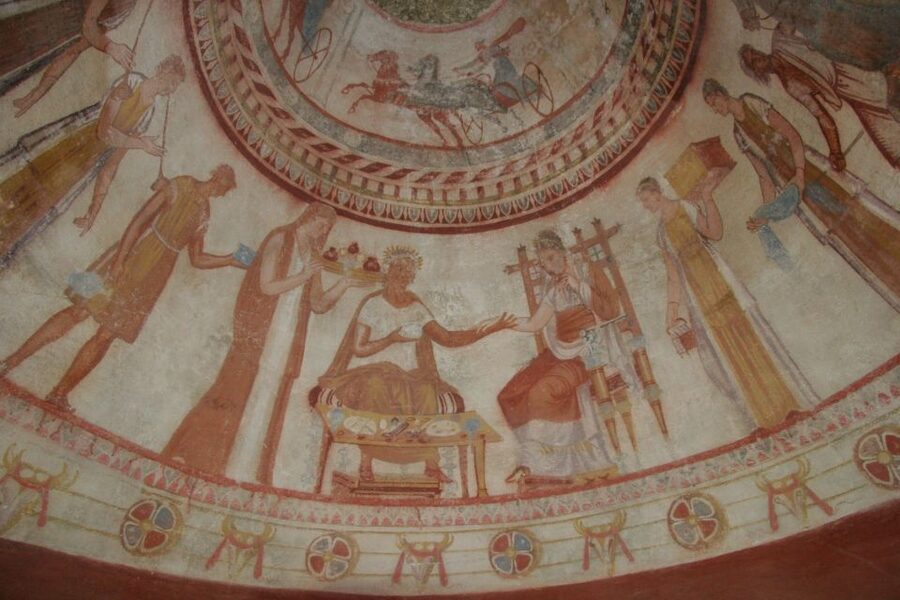
- Thracian and Bulgarian history share the second day: You visit the Thracian Tomb of Kazanlak, Kazanlak’s History Museum, and Shipka Memorial Church.
- Damascena gives the tour a personal touch: Lunch is served in a rose garden, followed by an explanation of rose growing and oil production.
- Guide Daniel received warm praise: His friendly approach and strong command of the subject helped make two long days enjoyable.
Why this two-day route works
Bulgaria can be hard to plan if you want more than Sofia. Plovdiv lies in a different historical world, while the Rose Valley and Kazanlak add rural scenery, Thracian culture, and the country’s famous rose-oil tradition.
This trip saves you from arranging separate transport, hotels, tickets, and day trips. You also avoid the usual problem of trying to connect several places by public transport in a short time. A guide helps explain how the locations fit together, rather than leaving you to inspect ancient stones without context.
The route is also nicely varied. Sofia gives you churches, government buildings, and city monuments. Plovdiv brings Roman archaeology and 19th-century Bulgarian houses. Kazanlak adds Thracian art and regional history, while Damascena offers a direct look at a family business built around roses.
Still, this is not a slow holiday. You cover a lot of ground in two days, and the transfers matter. If you prefer long café stops, extended museum visits, or unplanned wandering, you may find the schedule tight. If you have limited time in Bulgaria and want a broad first look, the busy pace is part of the value.
More Rose Valley trips:
- Symbol of the Communism Buzludzha monument and the Rose valley
★ 5.0 · 3 reviews - Kazanlak Full-Day Tour from Sofia
★ 4.5 · 2 reviews - Day Tour in Communist Monument Buzludzha and the Rose Valley
★ 4.5 · 2 reviews
Sofia begins at Boyana Church
Your first day starts with pickup at a specified location in Sofia. The opening stop is Boyana Church, a UNESCO World Heritage site on the edge of the city. It gives the tour an early cultural focus before you move into central Sofia.
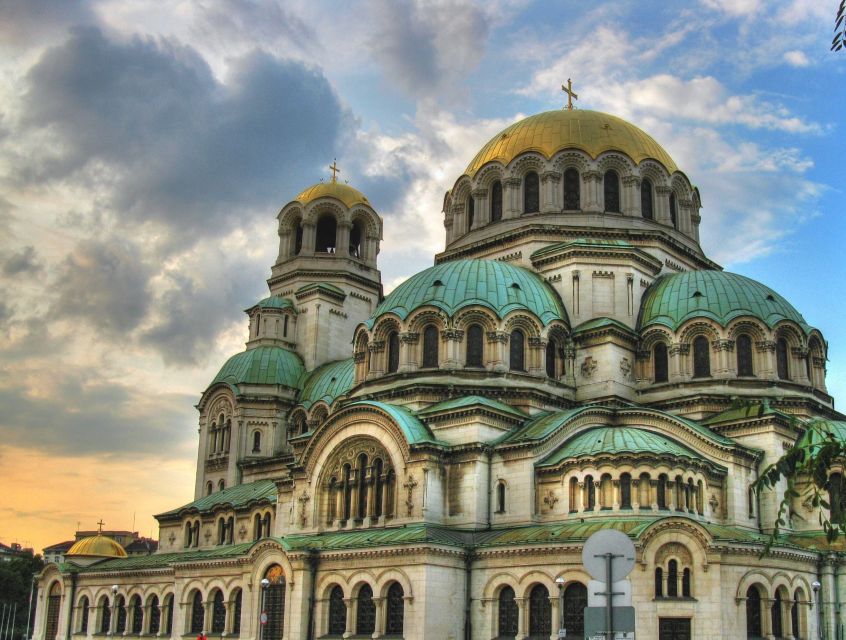
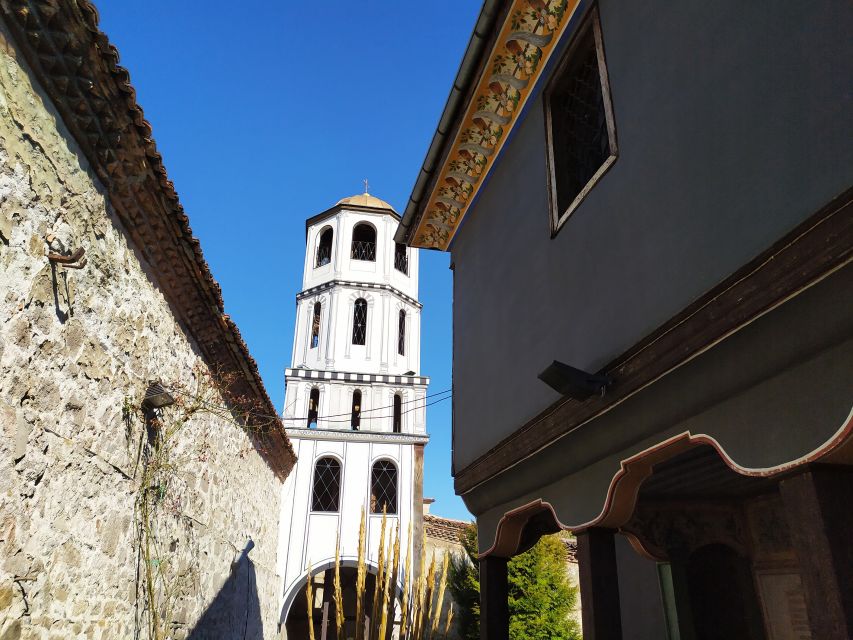
After Boyana Church, you spend about three hours touring Sofia. The city center brings together several important sights, including Alexander Nevsky Cathedral, Saint Sofia Church, the National Theatre, and the Church of St. George Rotunda.
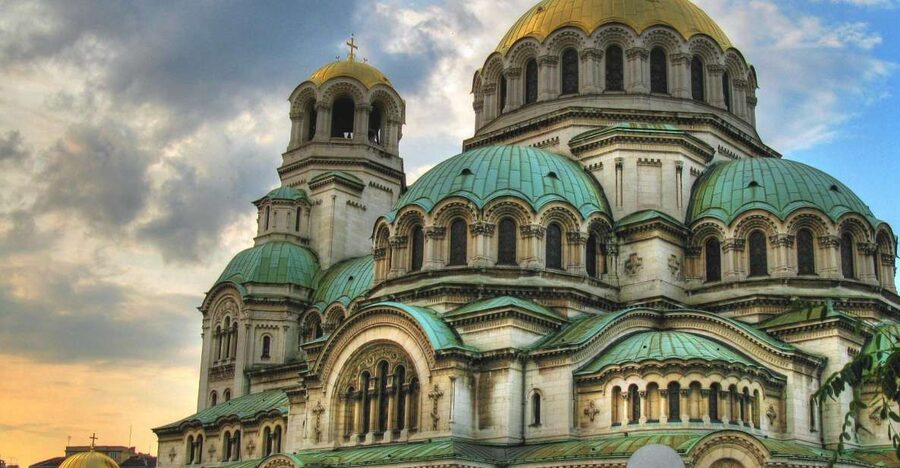
Alexander Nevsky Cathedral is the grand visual marker of Sofia. Its size and domes give you a clear sense of the city’s importance as Bulgaria’s capital. Saint Sofia Church offers a much older and more restrained setting, while the St. George Rotunda shows how many historical layers can sit close together in the modern city.
The National Theatre adds a different note. It is not simply another religious or archaeological stop, and it helps show Sofia as a living capital rather than an open-air museum. A guide is useful here because the meaning of each building can be easy to miss when you are moving between them quickly.
The Sofia portion lasts only part of the day, so do not expect a long, detailed visit inside every site. Think of it as a well-organized introduction. You get the major landmarks and enough explanation to decide which places deserve a longer return visit.
Plovdiv brings ancient Rome into the afternoon
From Sofia, the group travels to Plovdiv, where you check into your accommodation before lunch at a traditional Bulgarian restaurant. The meal is not included as a general rule, so plan to pay for food and drinks unless a particular meal is specified as part of the day.
Plovdiv is the emotional center of the first day. Its Roman Theatre remains one of the city’s defining sights, and the Roman Stadium provides another visible reminder of the ancient city below the modern one. Seeing both helps you understand that Plovdiv is not just a pretty old town. It is a place where ancient remains remain part of the city’s everyday shape.
The Old Town changes the mood again. You walk along narrow cobblestone streets and pass Revival Period houses, which bring you into Bulgaria’s 18th- and 19th-century cultural past. The streets are atmospheric, but they are not built for sleek footwear. Wear shoes with good support, especially if you are carrying a day bag.
I like this contrast between Roman ruins and Bulgarian Revival architecture. One moment you are looking at a structure from antiquity, and shortly afterward you are walking past colorful historic homes on a steep, uneven street. It gives Plovdiv more substance than a quick photo stop.
The limitation is time. After Sofia, lunch, check-in, and the city tour, you may feel ready for a quiet evening. The schedule returns you to the hotel after the Plovdiv visit, so the overnight stay provides a needed pause before the next day’s road journey.
The road to Kazanlak and the Rose Valley
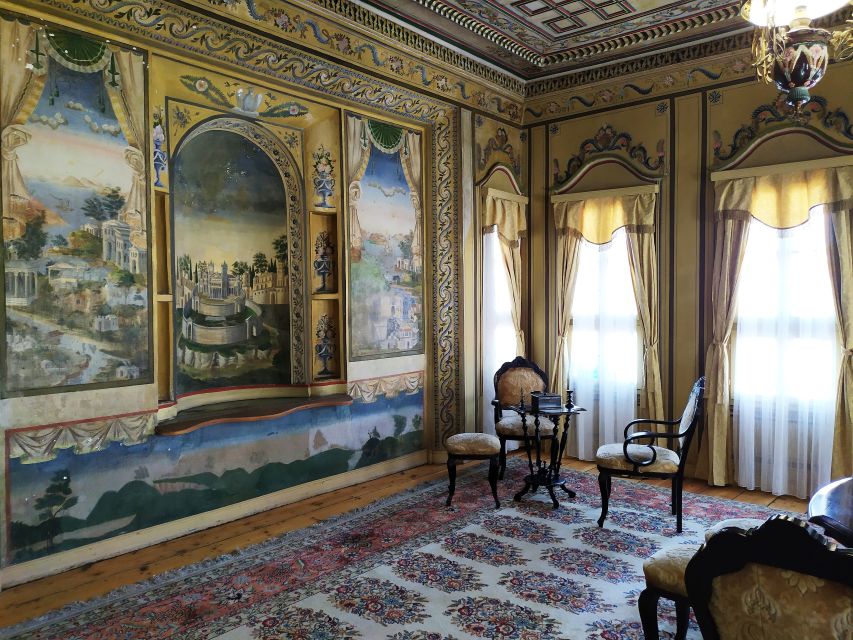
Day two begins after breakfast with departure from Plovdiv. The transfer to Kazanlak takes about an hour and a half, passing through scenic parts of the region. This is one reason the included transport matters. You can watch the countryside pass by without worrying about directions or connections.
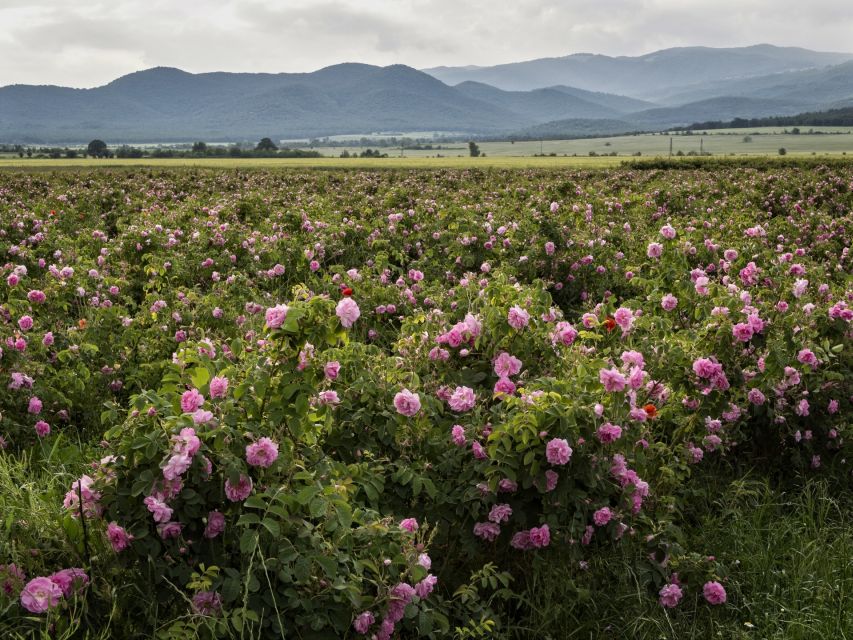
The Rose Valley is famous for rose-oil production, but the area is not only about flowers. Kazanlak is also closely linked with the Thracians, an ancient people whose culture shaped this part of Bulgaria long before the modern nation existed.
The timing of the visit affects what you see outdoors. The supplied information does not promise a particular rose-bloom season, so you should not book this trip solely for fields of flowering roses. The valley remains an important regional setting, but the strongest guaranteed elements are the cultural stops and the visit to Damascena.
More things to do in Sofia:
- Rila Monastery and Boyana Church Full-Day Tour
★ 4.5 · 918 reviews - Sofia Escape Room – Teorema Rooms
★ 5.0 · 895 reviews - From Sofia: Rila Monastery & Boyana Church Day Tour
★ 4.5 · 866 reviews - Communist Walking Tour of Sofia
★ 5.0 · 690 reviews
Thracian art inside the Tomb of Kazanlak
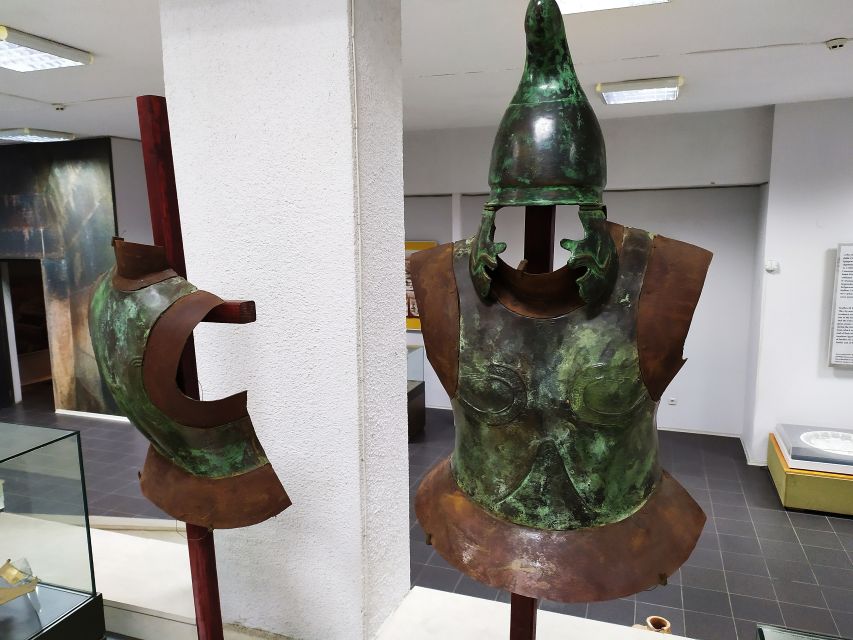
The Thracian Tomb of Kazanlak is a UNESCO World Heritage site and one of the day’s most important stops. It is known for its artwork, which gives you a direct connection to the ancient Thracian world.
This is a different kind of historical experience from the Roman sites in Plovdiv. The Roman Theatre and Stadium are large public structures. The tomb is more intimate, with its artistic decoration carrying much of the meaning. The visit works best if you enjoy seeing original cultural evidence rather than only grand monuments.
Entrance fees are included, which makes the day easier to manage financially. Because the tour provides a professional English-speaking guide, you should also receive context for the site rather than simply seeing it and moving on.
You then visit the History Museum of Kazanlak. That stop helps place the tomb in a wider local setting. The museum is especially useful after the ancient site because it gives you a broader look at the area’s past instead of treating the tomb as an isolated attraction.
Shipka Memorial Church adds modern Bulgarian memory
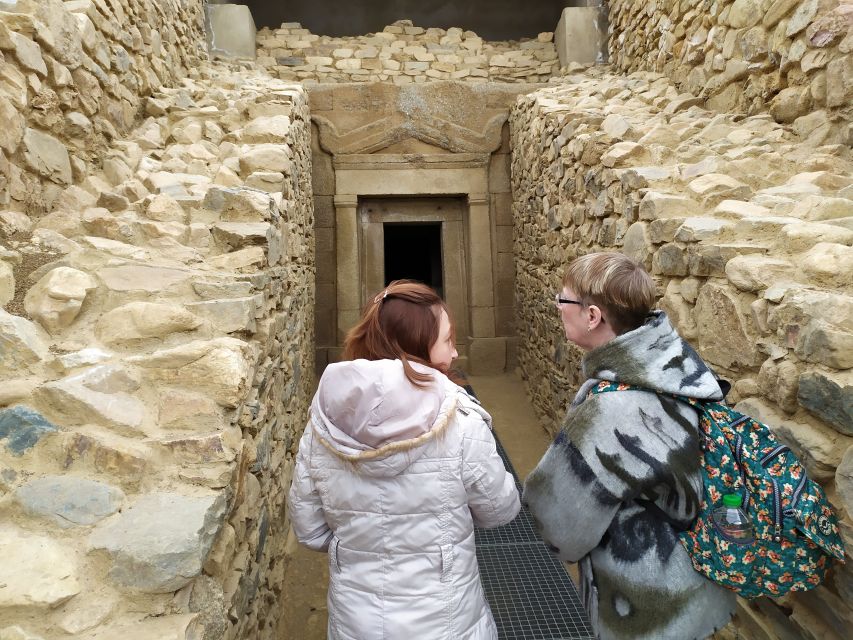
Shipka Memorial Church gives the second day another change in tone. After ancient Thracian art and museum displays, this church points toward more recent Bulgarian history and national memory.
The itinerary does not list a long visit duration, so expect it to be one part of a sequence rather than a half-day stop. Still, it adds useful balance. Bulgaria’s story is not only Roman and Thracian, and Shipka helps connect the region’s ancient past with the country’s later identity.
Taken together, the Thracian Tomb, the History Museum, and Shipka Memorial Church create a strong historical arc. You move from ancient art, to regional interpretation, to a site connected with Bulgaria’s modern past. That range is one of the best reasons to choose this route instead of a simple Rose Valley outing.
Lunch and rose oil at Damascena
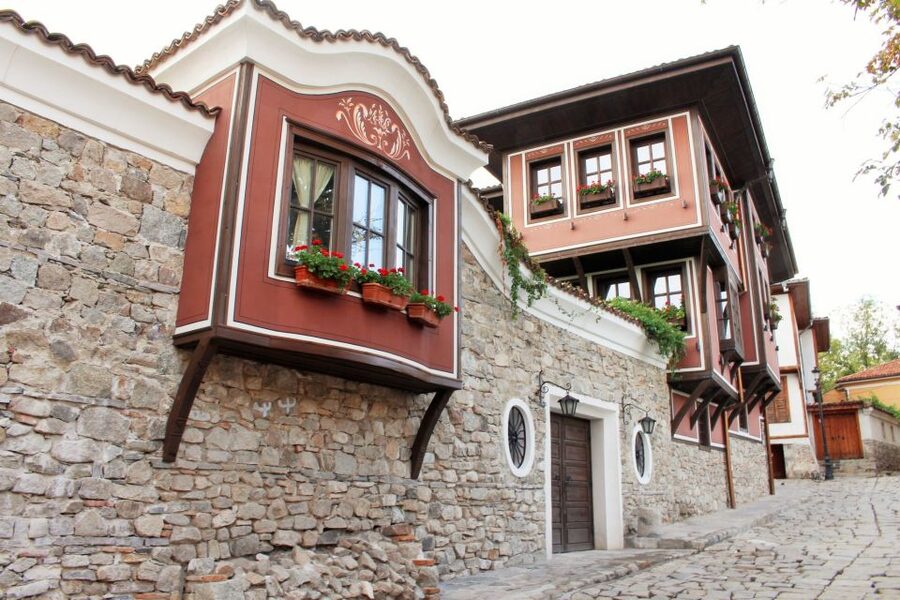
Before returning to Sofia, the tour stops at Damascena, a private family distillery in the heart of the Rose Valley. This is the most hands-on part of the trip, at least from the information provided.
You have lunch in a rose garden, then learn how roses are grown and how Bulgarian rose oil is produced. The family-run setting gives the experience a more personal feel than a standard museum visit. You are not simply told that roses matter to the region. You get a look at the work and products connected with that tradition.
The lunch is specifically included at this stop, while food and drinks elsewhere are generally not included. That distinction is worth remembering when you plan your spending.
You can also buy rose oil at the garden. One particularly useful detail from the experience is that the oil was praised as very good quality, so Damascena may be a sensible place to purchase a local product if you want a practical souvenir. As with any specialty purchase, check the product details and price before buying.
I like the way Damascena ends the cultural part of the tour. After churches, ruins, tombs, and museums, you meet a living local industry. It makes the Rose Valley feel like a working region, not just a scenic backdrop.
What the $412 price includes
At $412 per person, the tour is not a bargain-basement bus excursion. It is priced as a compact, guided two-day package with a small group of no more than eight people.
The cost includes:
- Pickup and drop-off in Sofia
- Transportation during the tour
- An English-speaking professional guide
- One night in Plovdiv
- Breakfast at the accommodation
- Entrance fees
That list covers several expenses that can quickly add up. You do not need to arrange a one-way transfer to Plovdiv, find a way to Kazanlak, book a separate return ride to Sofia, or pay entrance fees at each listed site.
Food and drinks are not generally included, apart from the specified lunch at Damascena. You should budget separately for the traditional Bulgarian lunch in Plovdiv and other meals or drinks.
The value depends on your priorities. I think the price makes more sense for a first visit, a short stay, or anyone who prefers a guide and coordinated transport. If you already have a car, plenty of time, and a strong interest in planning your own route, you may find independent travel less costly. The small group and overnight stay are what make the package more appealing than a basic day trip.
The guide and the small-group format
The tour is conducted in English, with a live guide and a maximum of eight participants. That small size should make it easier to hear explanations, ask questions, and keep the group moving through several stops.
Guide Daniel was described as friendly and well informed, and that matters on a route with so many historical layers. A good guide can help you connect Sofia’s churches, Plovdiv’s Roman remains, Kazanlak’s Thracian sites, and the Rose Valley’s local industry.
The experience is not designed for complete solitude. You travel with other people and follow a set program. Still, eight participants is a much more manageable number than a large coach group, particularly in Plovdiv’s Old Town and at smaller cultural sites.
Pickup and drop-off are provided in Sofia, from the location you specify. The tour ends when you are returned to your accommodation in Sofia, making it practical if you are using the capital as your base.
Who should choose this Bulgaria tour?
I would recommend this trip to you if you want a broad introduction to central Bulgaria without renting a car. It suits first-time visitors who want major landmarks, ancient sites, a UNESCO tomb, and a regional food and craft experience in one route.
It is also a good fit if you enjoy history but do not want every stop to be another museum. The itinerary mixes outdoor walking, churches, archaeological sites, city streets, scenic driving, and a working distillery.
You should think twice if you need a relaxed pace. The first day combines Sofia and Plovdiv, while the second includes a long transfer and several Kazanlak-area stops before the drive back to Sofia. Mobility concerns may also matter because Plovdiv includes cobblestone streets, and the tour requires comfortable walking shoes.
Bring your passport or ID card, as requested, and wear practical footwear. The tour offers free cancellation up to 24 hours before departure and lets you reserve now and pay later, which is useful when your Bulgaria plans are still shifting.
Should you book Sofia, Plovdiv, and the Rose Valley?
Book it if you want to see the major highlights of Sofia and Plovdiv, then add a meaningful taste of Kazanlak and the Rose Valley in just two days. The strongest parts are the route’s variety, the small group, the included transport and tickets, and the Damascena visit with lunch in a rose garden.
Skip it if you prefer to linger in one city or build your own schedule. This is a full program, not a leisurely village stay. For a short Bulgaria visit, though, $412 buys a practical mix of major sights, guided context, one night in Plovdiv, and access to places that are awkward to connect without private transport.
FAQ
How long is the tour?
The tour lasts two days, with one overnight stay in Plovdiv.
Where does the tour begin?
Pickup is provided from a specified location in Sofia.
Where does the tour end?
The tour ends with drop-off at your accommodation in Sofia.
Is accommodation included?
Yes. One overnight stay in Plovdiv with breakfast is included.
Is transportation included?
Yes. Transportation during the two-day tour, plus pickup and drop-off in Sofia, is included.
Is a guide included?
Yes. The tour includes a live English-speaking professional guide.
How large is the group?
The tour is limited to eight participants.
Which sites are visited in Sofia?
The Sofia portion includes Boyana Church, Alexander Nevsky Cathedral, Saint Sofia Church, the National Theatre, St. George Rotunda, and other city sights.
Which places are visited in the Rose Valley area?
The route includes the Thracian Tomb of Kazanlak, the History Museum of Kazanlak, Shipka Memorial Church, and Damascena.
Is food included?
Food and drinks are not generally included, but the itinerary specifically includes lunch at Damascena in the Rose Valley.
What should you bring?
Bring a passport or ID card and comfortable shoes.
Just added in Sofia
- Private Winter Day Trip to the Rila Mountain★ 4.5 · 3 reviews
- Wind Mills Hydropark Tours & Activities★ 5.0 · 1 review
- Weekend in Bulgaria★ 5.0 · 1 review
- Sofia Hidden Gems: Small-Group Walking Tour with Tram Ride★ 5.0 · 7 reviews
- Vratsa Karst and Caves★ 5.0 · 1 review
- Via Ferrata Adventure on Kuklata peak 2257 m in Rila Mountain★ 5.0 · 8 reviews
- Vitosha Trail Hunter Bike Tour from Sofia★ 5.0 · 9 reviews
- Vitosha Mountain- Heritage and Hiking- Private Day Trip★ 5.0 · 2 reviews
Rose Valley Tours, compared.
Kazanlak-Rose Valley-Valley of the Thracian Kings – private tour from Plovdiv
Read our review →
A Day trip to the Thracian Kings, The Valley of Roses & Buzludzha
Read our review →
Private Access Rose Festival Kazanlak 05-07.06.2025
Read our review →
Picking Roses Workshop & Extracting Rose Oil in the Rose Valley
Read our review →
Symbol of the Communism Buzludzha monument and the Rose valley
Read our review →
Buzludzha Monument and the Rose Valley Guided Day Tour
Read our review →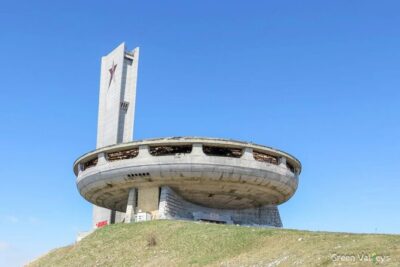
Day Tour in Communist Monument Buzludzha and the Rose Valley
Read our review →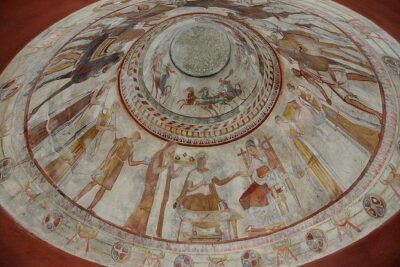
Browse the lists this tour appears in