
REVIEW · MUSEUMS
Self-Guided Tour in ISKRA Historical Museum
History rewards curiosity. This self-guided visit to Iskra Historical Museum gives you time to examine Kazanlak’s archaeological, ethnographic, and historical collections without a group hurrying you along. I like the phone-and-tablet e-guide, which lets you move at your own pace, and I like the museum’s unusually broad collection, including Thracian treasures, medieval ceramics, historic clothing, and Southeastern Europe’s largest collection of bone sickles. The main drawback is the location information: the tour summary says Sliven, while the museum description places Iskra in Kazanlak, so confirm the exact address before you book.
You receive the museum ticket and electronic guide, but transportation is not included. That makes this a good choice if you already plan to be in the area and want a flexible cultural stop, but less convenient if you need a complete day trip with transfers or a live guide. The museum is open daily from 9:00 AM to 6:00 PM, giving you plenty of room to fit it around other plans.
In This Review
- Key points to know before you go
- Why Iskra Museum matters in Kazanlak
- Moving through the five permanent departments
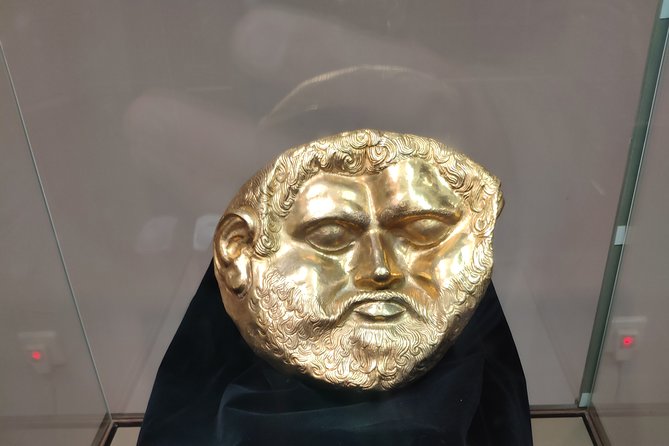
- Archaeology and the Thracian collections
- The unusual bone sickle collection
- Revival and New History
- Ethnography and Modern History
- What the self-guided format is really like
- How long should you allow?
- Is $22.16 good value?
- The location needs a careful check
- Who will enjoy this museum visit?
- Booking, cancellation, and daily planning
- Should you book the Iskra Museum tour?
- FAQ
- Where is the Iskra Historical Museum experience located?
- What is included in the price?
- Is transportation included?
- How much does the experience cost?
- How long does the visit take?
- What are the museum’s opening hours?
- Is a physical guide provided?
- Can I cancel for a full refund?
Key points to know before you go
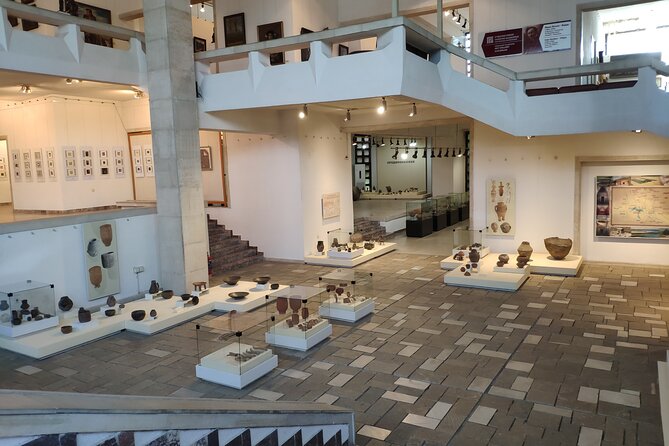
- More than 70,000 original exhibits: The collection covers archaeology, the Revival period, modern history, ethnography, and later developments in the Kazanlak region.
- A self-guided format that works at your pace: The electronic guide can be loaded onto a phone or tablet, with no fixed group schedule or physical guide.
- Exceptional bone sickle collection: Iskra holds the largest collection of bone sickles in Southeastern Europe.
- Strong Thracian and medieval displays: Expect treasures, ceramics, weapons, jewelry, and other objects connected to the region’s long past.
- Flexible timing: Your visit may take from about one to eight hours, depending on how closely you study the displays.
- Useful value for independent visitors: At $22.16 per person, the cost includes both admission and the e-guide, with group discounts available.
Why Iskra Museum matters in Kazanlak
Iskra Historical Museum was founded in 1901 by Peter Topuzov, a patriotic citizen of Kazanlak. That date gives the museum a long local connection, rather than making it a modern attraction assembled mainly for sightseeing.
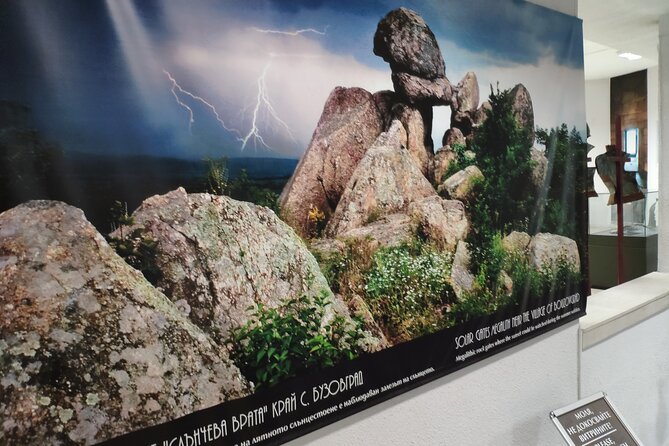
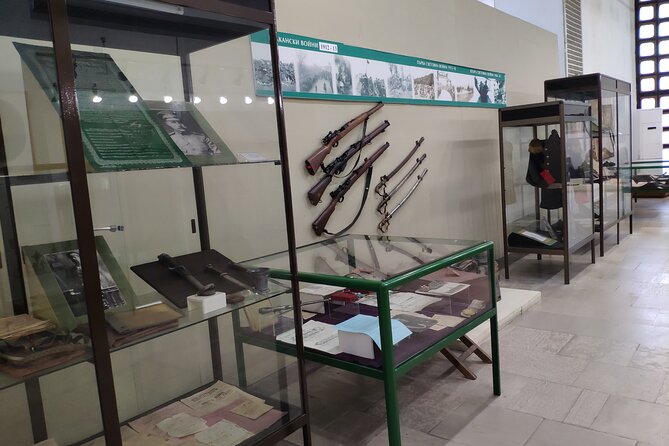
The museum focuses on the Kazanlak region, an area linked in the description with both the Valley of Roses and the Valley of the Thracian Kings. Those two identities help explain the collection’s range. You are not coming only to see ancient objects. You are also looking at the daily lives, beliefs, tools, clothing, and military equipment of people who lived in the area across many centuries.
I like museums that show how grand events connect with ordinary life. A treasure display can catch your eye, but a tool, dress, or household object often tells you more about how people actually lived. Iskra gives you both kinds of material, so the visit has more variety than a single-period archaeological museum.
The museum has more than 70,000 original exhibits. You will not examine every object in one visit, and you should not try. The point of the self-guided format is to choose your level of attention. You can make a quick visit focused on the major collections, or spend several hours reading and comparing objects.
More museums and galleries in Bulgaria:
- Admission Ticket to the Museum of Illusions in Sofia
★ 5.0 · 659 reviews - Admission Ticket to Illusions in Museum in Veliko Turnovo
★ 5.0 · 35 reviews - Buzludzha Monument and the Museum of Socialist Art
★ 5.0 · 25 reviews
Moving through the five permanent departments
The permanent exhibitions cover archaeology, the Revival period, New History, ethnography, and Modern History. This sequence gives you a broad route through the region’s past, though your exact order may depend on the museum layout and the guide.
Archaeology and the Thracian collections
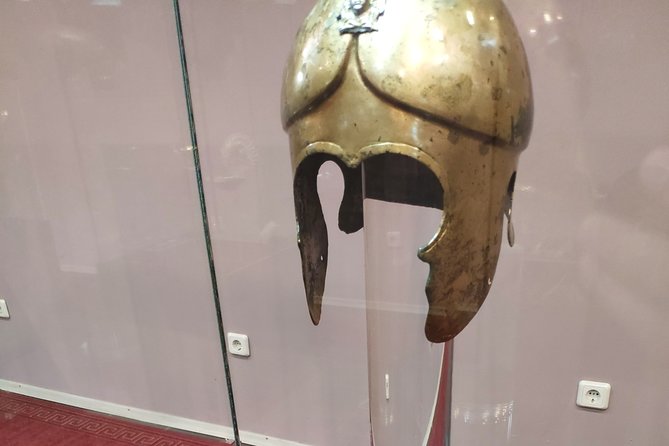
The archaeology department is likely to be the main draw for visitors interested in Bulgaria’s ancient past. Kazanlak is connected with the Valley of the Thracian Kings, and the museum includes Thracian treasuries among its notable holdings.
The supplied information does not list each treasure or explain how the displays are arranged, so you should avoid arriving with a rigid checklist. Instead, use the e-guide to identify the pieces that matter most to you. If you enjoy ancient metalwork, burial culture, tools, or signs of trade, give this department extra time.
The self-guided setup is helpful here. Ancient objects can look similar when you move quickly through a display, but small details often matter. You can stop, reread the explanation, and continue only when you are ready. There is no group waiting for you to finish a paragraph.
The unusual bone sickle collection
The bone sickle collection is one of the museum’s most distinctive features. It is described as the largest collection of bone sickles in Southeastern Europe, which gives this display a clear reason to seek it out.
A collection like this can be easy to overlook if you are focused only on gold, silver, or ceremonial objects. I would make a point of finding it. Bone tools may seem plain beside a treasury, but they show practical skills and the materials people used in everyday work.
This is also where a self-guided visit has a real advantage. You can spend time considering why bone was used, how such tools may have functioned, and what the collection suggests about early communities. The provided material does not specify the age or exact use of each sickle, so rely on the museum’s own labels and electronic guide rather than guessing.
More History Tours in Bulgaria:
- Full-day Nis and Serbian History Tour from Sofia
★ 4.5 · 90 reviews - Sofia: History and Heritage – Small Group City Tour
★ 5.0 · 84 reviews - Special History And Wine Tour including Wine Tasting
★ 5.0 · 63 reviews - Sofia Communist History 2-Hour Tour in a Classic Trabant
★ 5.0 · 45 reviews
Revival and New History
The Revival department moves the visit beyond ancient Thrace. The Bulgarian Revival period is represented here as part of the region’s changing cultural and social story.
The New History department continues that shift. You may find that these sections feel less immediately dramatic than a treasure display, but they help place Kazanlak within a broader local timeline. If you are interested in how communities change, how people dress, and how public life develops, do not rush past them.
Because the museum covers so many periods, the visit rewards selective attention. You might spend an hour on archaeology and then make a shorter pass through the later departments. Or you can use the full day’s opening hours to read more closely. The guide gives you control over that choice.
Ethnography and Modern History
Ethnography is the department to prioritize if you want a closer look at local customs and past lifestyles. The collection includes jewelry and dresses from earlier residents of Kazanlak, giving you a way to connect social history with visible, personal objects.
Clothing can reveal status, taste, work, and occasion. Jewelry can show what people valued or chose to display. These objects also balance the ancient collections, reminding you that history is not only about rulers, battles, and burial sites.
Modern History completes the museum’s long time span. The description does not list individual events or named displays, so I would treat this department as an opportunity to understand the region’s more recent story rather than expecting a single headline exhibit. With an electronic guide, you can decide how much background you need.
What the self-guided format is really like
The electronic guide is sent after booking and can be loaded onto a phone or tablet. That simple detail shapes the whole visit. You do not need to arrive at a specific time for a group, keep pace with a physical guide, or listen from the back of a crowd.
The one direct review of the experience praised exactly this freedom. The visitor used the guide on both a phone and tablet and appreciated exploring independently, without a group or physical guide. That is the strongest feature of this booking, and it should matter to you if you prefer quiet, flexible sightseeing.
You should charge your device before arriving and make sure you know how to access the guide. Those are practical precautions rather than special requirements, but an electronic tour is only useful if your phone or tablet is ready.
This format suits an analytical, curious visitor who likes to read and form an opinion rather than simply follow a spoken route. It also works well for companions with different interests. One person can spend longer with Thracian material while another looks at clothing, jewelry, or modern displays.
The trade-off is equally clear. A live guide can answer questions, point out overlooked details, and adjust the explanation to your interests. This experience does not include that personal exchange. If you want stories, conversation, or expert interpretation on the spot, a guided museum visit may suit you better.
How long should you allow?
The stated duration is approximately one to eight hours. That is a very wide range, but it makes sense for a museum with more than 70,000 exhibits and several permanent departments.
For a quick orientation, you could spend around an hour identifying the main sections and key collections. That gives you a taste of the museum but not a full look at its scope. If you have a particular interest in Thracian objects, archaeology, or ethnography, plan more time.
A longer visit lets you read the electronic guide carefully and return to displays that caught your attention. I would not assume that eight hours is necessary for everyone. It is more useful to think of the upper figure as permission to take your time, not a target you must reach.
The daily opening hours are 9:00 AM to 6:00 PM, Monday through Sunday. This schedule makes the museum easy to fit into a day in the region. You can arrive in the morning, take a break elsewhere, or visit later in the afternoon, provided you allow enough time before closing.
Is $22.16 good value?
The price is $22.16 per person. That fee includes the museum ticket and the electronic guide, so you are paying for both entry and a way to interpret what you see.
The value depends on how you use the visit. If you spend only a short time inside, the price may feel high compared with a simple museum admission. If you take advantage of the flexible format and explore several departments, the e-guide adds practical value because you can use it without paying for a private guide or joining a scheduled group.
I also see value in the freedom to choose your pace. A fixed tour can be efficient, but it may give each display only a few minutes. Here, you can focus on the bone sickles, Thracian collections, medieval ceramics, or historic clothing according to your own interests.
Group discounts are available, which may improve the price for families, friends, or organized parties. The information does not specify the discount amount or the required group size, so check those terms before booking.
Transportation is not included. That is important when calculating the real cost. If you are already in Kazanlak and can reach the museum on your own, the package is straightforward. If you are staying elsewhere, add your own transport costs and time.
The location needs a careful check
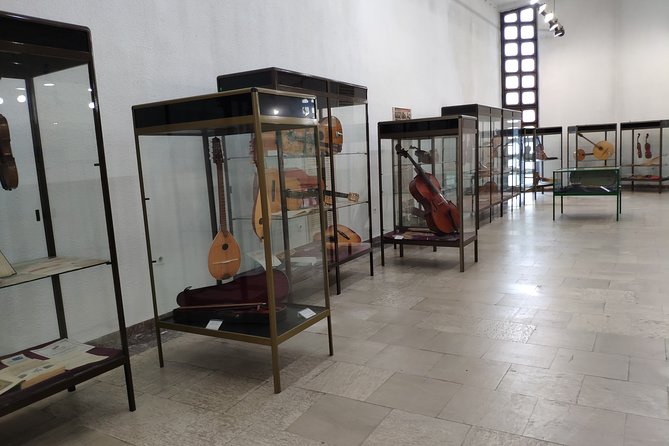
There is a clear inconsistency in the supplied details. The location is identified as Sliven at the top, while the museum description repeatedly identifies Iskra Historical Museum with Kazanlak.
You should confirm the exact meeting point and address before payment or before setting out. This is not a minor detail if you are planning transport between Bulgarian towns. The information says the museum is near public transportation, but it does not name the specific stop, route, or station.
The attraction itself is described as Iskra Historical Museum in Kazanlak. Still, because the location line says Sliven, ask the provider to clarify which city applies to your booking. This is the single most important practical check for the experience.
Who will enjoy this museum visit?
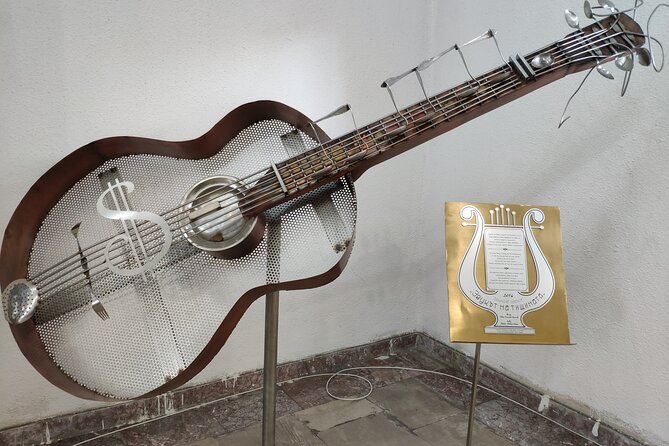
I would recommend it most strongly to independent museum visitors who like to set their own rhythm. You will get the most from it if you enjoy archaeology, local history, old tools, clothing, jewelry, weapons, or the development of regional communities.
It also suits people who do not want a large group. The electronic guide means you can move alone or with your own companions, rather than staying close to a physical guide.
Families and mixed-interest groups may appreciate the freedom as well. One person can focus on Thracian treasures, another can spend time with ethnographic objects, and nobody needs to follow the same pace. Group discounts may also help with the overall cost.
I would think twice if you want an entertaining live performance or a guide who tells a continuous story from room to room. The electronic format is practical, but it asks you to take responsibility for your own attention.
Booking, cancellation, and daily planning
Confirmation is provided at the time of booking. Free cancellation is available if you cancel at least 24 hours before the experience start time. Cancellations or changes made less than 24 hours before the start are not accepted for a refund.
The experience is booked, on average, 16 days in advance. That figure suggests you should not leave planning until the last moment if your dates are fixed, even though daily opening hours are broad.
Most people can participate, and the museum is near public transportation. Since transportation is not part of the booking, plan your route separately and verify the location discrepancy before you go.
Should you book the Iskra Museum tour?
Book it if you want a flexible museum visit built around your own interests. The combination of admission, an electronic guide, daily 9:00 AM to 6:00 PM hours, and no group schedule makes it a practical choice for independent sightseeing.
The strongest reasons to go are the museum’s wide collection, the rare bone sickles, the Thracian material, and the chance to use the guide on your own phone or tablet. At $22.16, the price is reasonable when you plan to spend several hours exploring.
Do not book until you confirm whether your visit is in Kazanlak or Sliven. Once that point is clear, this is a good museum option for curious visitors who prefer control, quiet attention, and the freedom to linger over the objects that interest them most.
FAQ
Where is the Iskra Historical Museum experience located?
The tour information identifies the location as Sliven, while the museum description identifies Iskra Historical Museum with Kazanlak. Confirm the exact address with the provider before booking or traveling.
What is included in the price?
The price includes an electronic guide to the museum and the admission ticket.
Is transportation included?
No. You must arrange and pay for transportation separately.
How much does the experience cost?
The listed price is $22.16 per person.
How long does the visit take?
The approximate duration is listed as one to eight hours, depending on how much of the museum you explore and how closely you study the collections.
What are the museum’s opening hours?
The museum is open Monday through Sunday from 9:00 AM to 6:00 PM.
Is a physical guide provided?
No. The experience provides an electronic guide, and there is no physical guide leading a group.
Can I cancel for a full refund?
Yes. You can receive a full refund if you cancel at least 24 hours before the experience start time. Changes or cancellations made less than 24 hours before the start are not accepted for a refund.
More Self-guided Routes in Bulgaria
- Rila Monastery and 7 Rila Lakes Self-Guided Shared Trip from Sofia
★ 5.0 · 280 reviews - Rila Monastery and Boyana Church Self-Guided Day Trip from Sofia
★ 5.0 · 41 reviews - Self Guided Tour Experience in Rila Monastery
★ 3.0 · 15 reviews - Self-guided tour in Varna Archaeological Museum + ticket
★ 3.5 · 14 reviews
Just added in Bulgaria
- Time Travel to Ottoman Vidin: Exploration Game and Tour★ 5.0 · 2 reviews
- Monastery of the Holy Transfiguration of God Self-Guided★ 5.0 · 1 review
- Wine Experience & Tasting Hub★ 5.0 · 6 reviews
- Monasteries and Waterfalls Tour from Veliko Tarnovo★ 5.0 · 8 reviews
- Self-guided Tour in Tsarevets Fortress★ 4.0 · 9 reviews
- The Ultimate Private Communist Tour of Varna★ 5.0 · 2 reviews
- Varna Exquisite Wine Tasting★ 5.0 · 5 reviews
- The best of Balchik walking tour★ 5.0 · 1 review
Museums, compared.

Admission Ticket to the Museum of Illusions in Sofia
Read our review →
Admission Ticket to Illusions in Museum in Veliko Turnovo
Read our review →Buzludzha Monument and the Museum of Socialist Art
Read our review →
Self-guided tour in Varna Archaeological Museum + ticket
Read our review →
Private Sofia Half Day Tour with Boyana Church and National History Museum
Read our review →

Private Tour in Museum of Glass and Museum Submarine Glory near Varna
Read our review →Browse the lists this tour appears in